What remains when your AI agent knows you better than your team?
Looking back at November 2, 2026, in Munich with Peter Steinberger (OpenClaw Foundation). Chatham House Rule, no recording, no sales pitch.
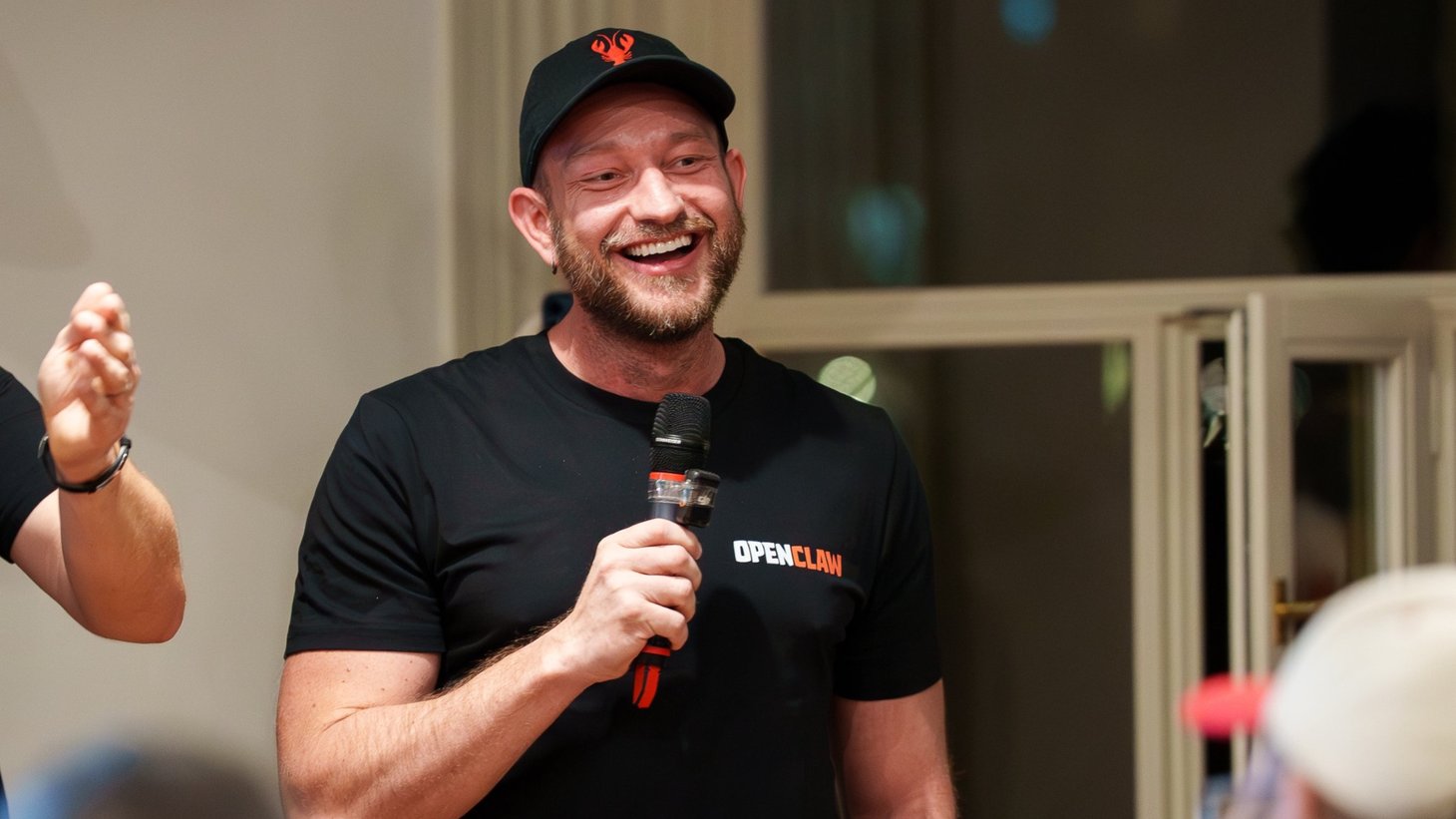
How the evening went
A look back at November 2, 2026, in Munich: Peter Steinberger on personal agents, questions from the audience and a long evening of conversation.
This content is password-protected
Looking back · Peter Steinberger in Munich · November 2, 2026 · Chatham House Rule
Future events waitlist →The Questions from the Evening
These questions shaped the evening with Peter Steinberger and remain relevant for future conversations about personal agents.
My Agent Acts in My Name. Who Verifies That It May?
Emails, approvals, payments, contracts – a Personal Agent works where decisions are made. Then what always counts in business counts here too: identity, authority and a clear audit trail. Those who define what the agent may do, and how that is verified, gain speed and stay in control. This isn't an IT question – it's a leadership task.
Agents Take Over Routine Work. What Does Your Team Do with the Time?
Ticket work, code reviews, documentation – much of this will run automatically soon. Organizations that understand this early put their best people on what agents can't do: judgment, customer relationships, strategic decisions.
Every Department Is Building Its Own Agents. How Do You Turn That Into an Advantage?
When every employee can automate, new innovation pathways emerge across the organization. The question isn't whether this happens – it's how you shape it: clear rules instead of bans, momentum instead of loss of control.
The Technology Is Good Enough. The Bottleneck Is Imagination.
Peter's thesis: the next model won't make the decision easier. The difference between organizations that act now and those that wait isn't the tool – it's what they can imagine.
Ideas from the Evening
Four Perspectives on Personal Agents
The evening's themes offer prompts for the conversations and decisions organizations will face in the future.
Imagination is the Bottleneck, Not the Models
Imagination and attention are the only resources you can't buy. Those who direct them, lead.
Access Beats Technology
Agents don't just change what gets built – they change who builds. The next builders aren't in IT. When everyone in the company can build, software competence must become core culture.
Open Source as a Survival Strategy
An agent that knows everything about you can't be a rental. Open Source isn't ideology – it's risk management.
Leadership is the Key Skill
The ability to orchestrate agents and coordinate workflows is not an IT question. You need to see, understand, and explain the big picture.
In His Own Words
Peter Steinberger, unfiltered.
Three lines from his 2026 talks.
The bottleneck is no longer typing. It’s thinking.
April 2026
Chatbots give up. Agents improvise.
April 2026
The models are good enough. Now, everything that we’re limited by is our own imagination.
May 2026
Voices from Practice
Not a Lecture on Theory.
Decision-makers and entrepreneurs show what happens when Personal Agents are no longer a concept, but everyday reality.

Founder of OpenClaw and the OpenClaw Foundation – open-source runtime for Personal Agents. He also works on Personal Agents at OpenAI. Previously founded PSPDFKit, today Nutrient.

Managing Director of GS Consult GmbH. Uses OpenClaw as his own personal agent and shares first-hand what that looks like in day-to-day business – what works, where it gets stuck, and what has changed for his team.

Founder, CEO and CTO of MoreValue GmbH, Munich. MoreValue brings AI into production for European organisations – not pilots – combining strategy, process and software under one roof. Focus areas: regulated industries in the DACH region, cloud architecture, and governed knowledge infrastructure for AI.

Founder of XALT Business Consulting. XALT helps organizations navigate AI transformation – from strategy to implementation. Focus areas: Enterprise AI, process automation, and building internal AI capabilities.
Your hosts
Who’s inviting you?
About XALT
We come from DevOps and the Atlassian world. For years, we’ve built workflows with IT teams that hold up in production. Today we do the same with AI agents – in-house, too: some of the invitations to this evening were sent by Henry, our OpenClaw agent.
Customers we work with




XALT AI Circle
One guest, one evening in Munich, Chatham House Rule. No recording, no sales pitch.
- #1
Gene Kim
- #2Fully booked
Peter Steinberger
- #3
Guest to be announced
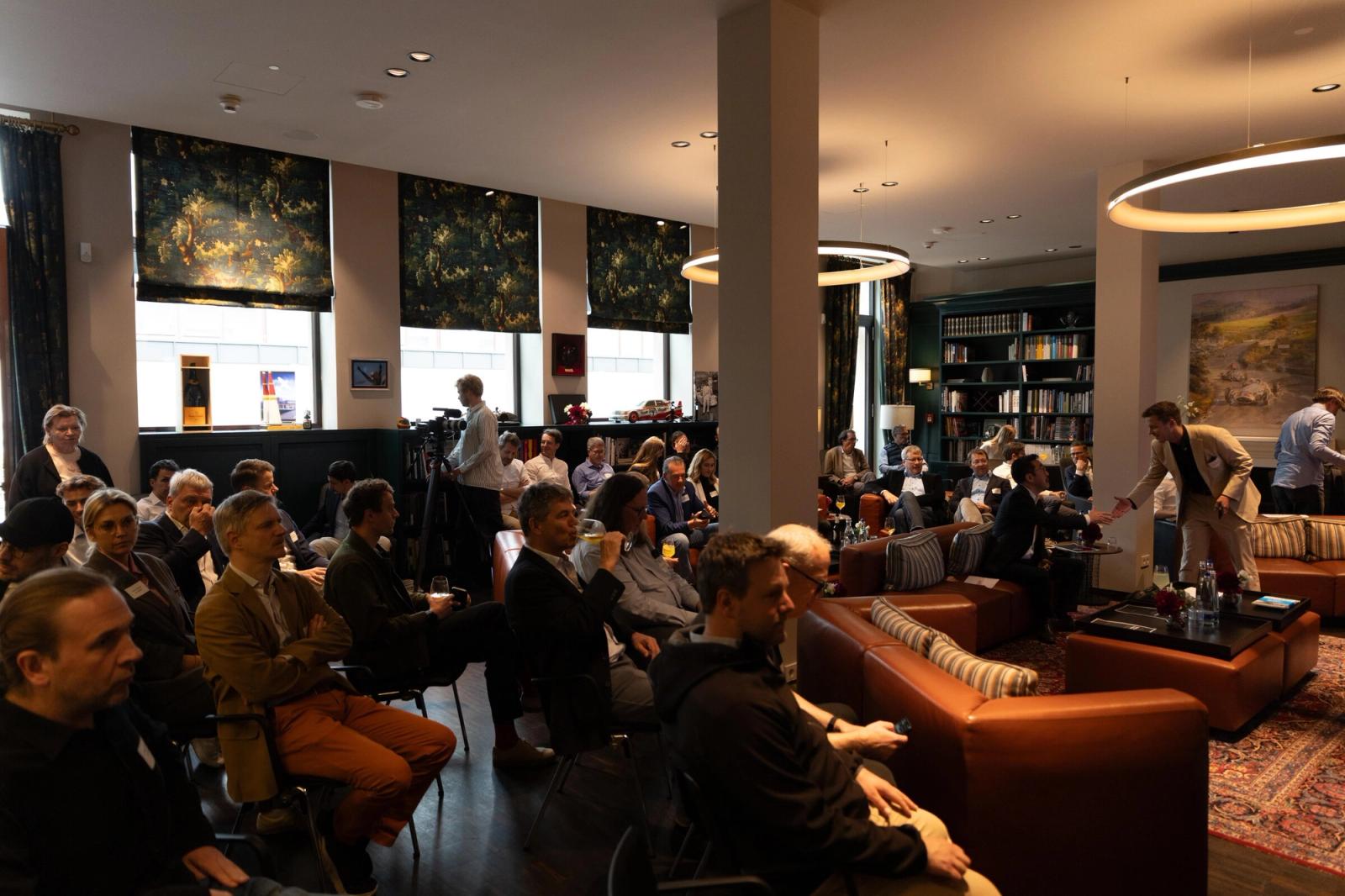
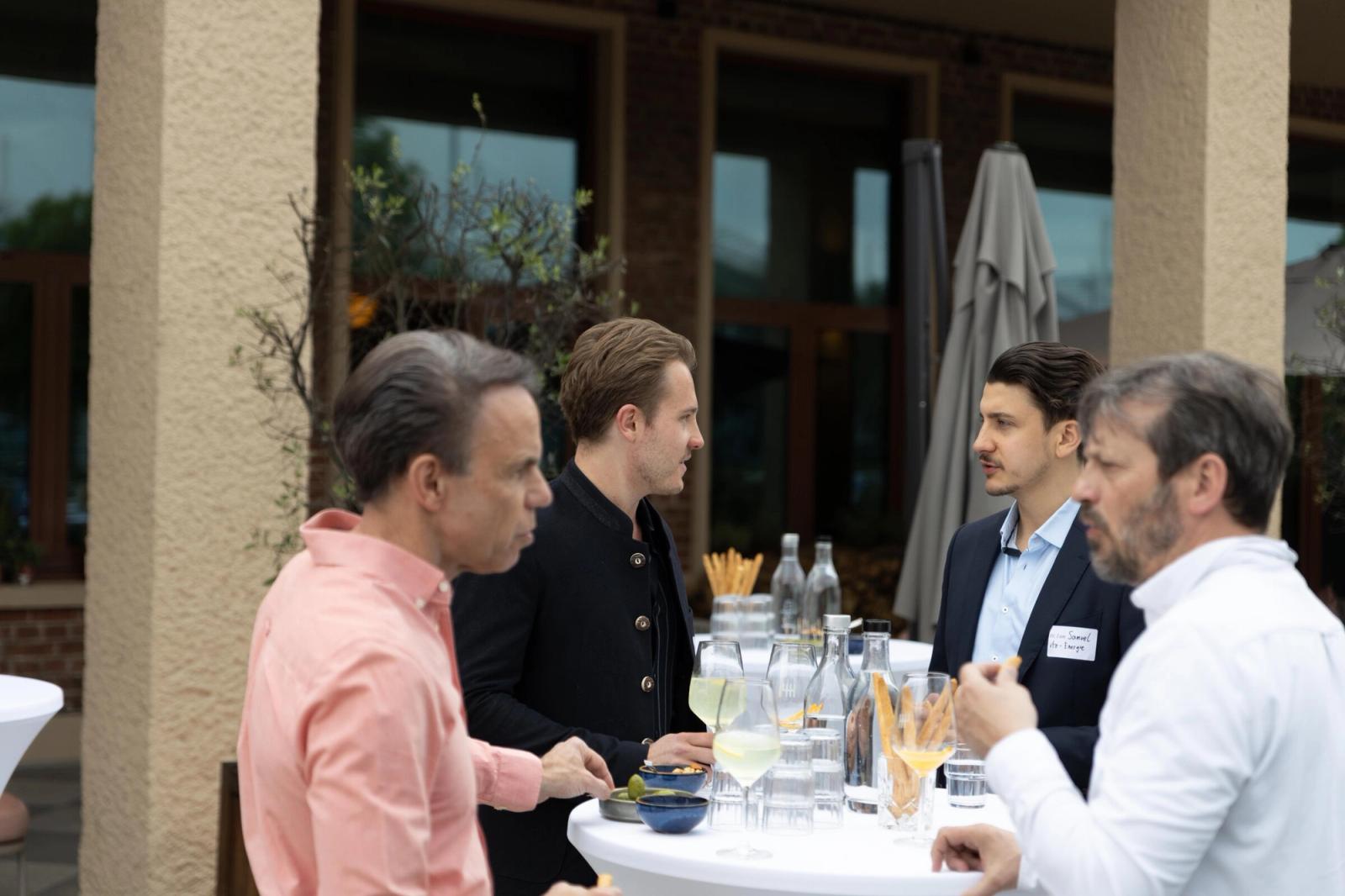
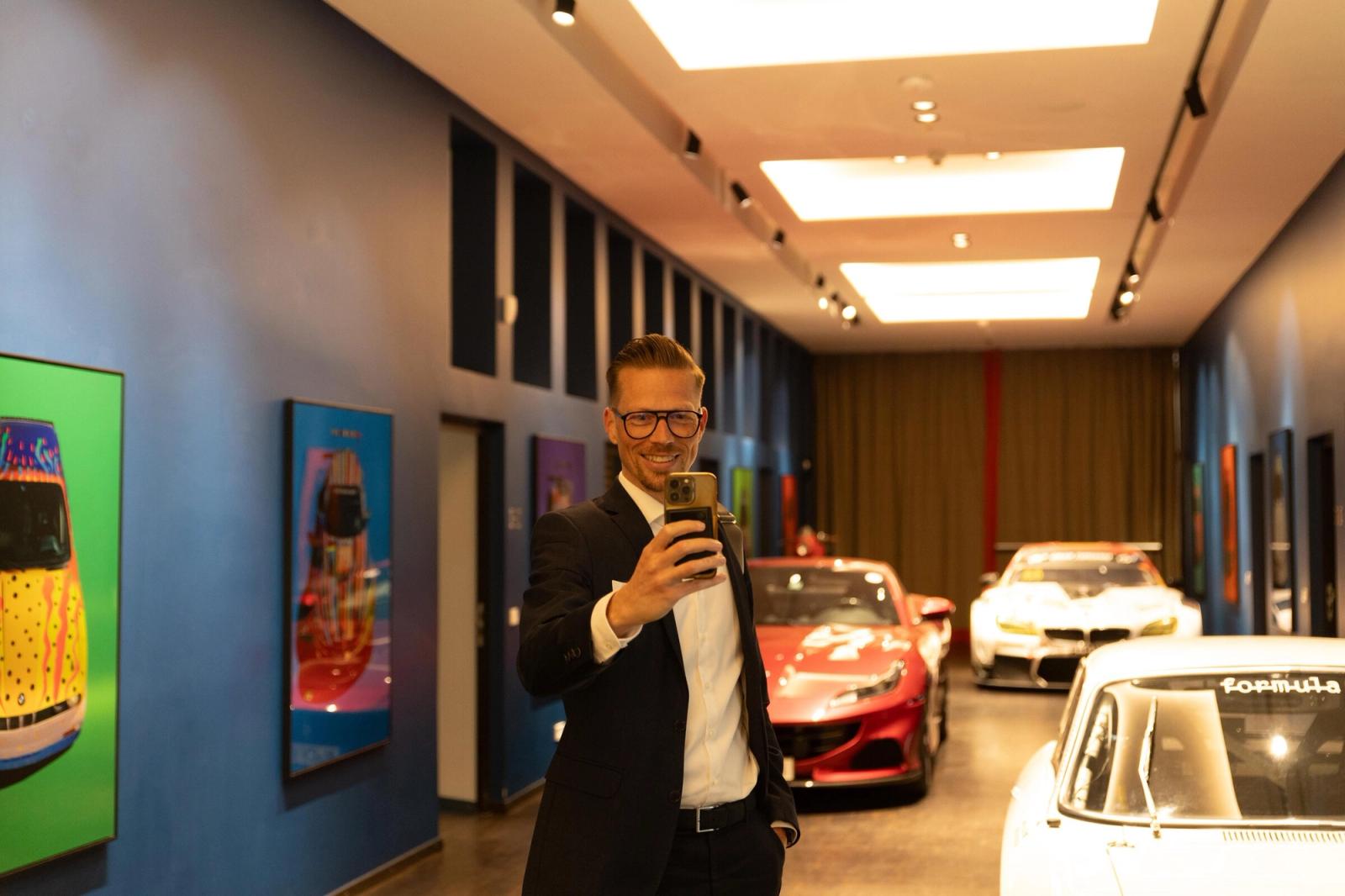
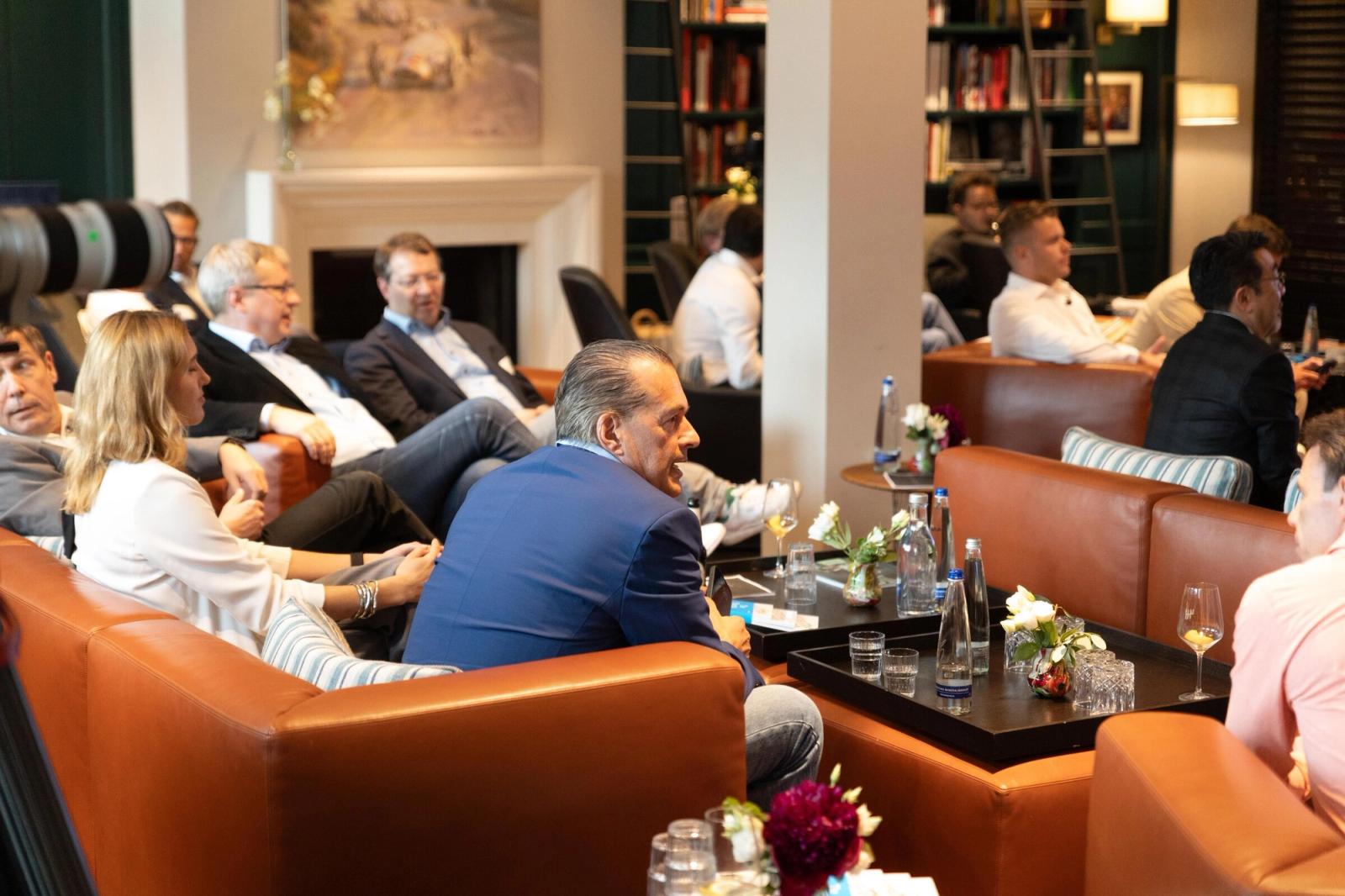
Programme for the Evening of November 2
Munich · November 2, 2026 · The programme from the evening
- 16:30 – 17:30
Reception & Networking
- 17:30 – 17:40
Welcome
- 17:40 – 18:30
Fireside Chat
- 18:30 – 19:30
Open Discussion
- 19:30 – 23:00
Dinner & Networking
The evening's venue
U6 to Freimann, then a short walk along Lilienthalallee
Parking directly at the club
Munich Hbf → S-Bahn to Marienplatz → U6 towards Garching-Forschungszentrum to Freimann
MUC → S8 to Marienplatz → U6 towards Garching-Forschungszentrum to Freimann
Partners & sponsors

Gets AI into production: understand the organization first, then build the solution – strategy and software from a single source.

Provides development capacity on demand: flexible or long-term programming support when your own team is stretched to the limit.
Guides leaders and teams through the change AI sets off – from leadership and collaboration to labor law and co-determination.

The platform where teams and AI agents work together – Jira, Confluence and Rovo.
Our aviation partner: private jet charter and group logistics with 25 years of experience – runs on OpenClaw itself and flies Peter Steinberger from Vienna to Munich for this evening.
Join the waitlist for future events
The event with Peter Steinberger took place on November 2, 2026. Join the XALT Enterprise AI Circle waitlist to hear about future events.
Questions & Answers
Who was this event for?
For decision-makers: C-level executives, CTOs, VPs, and managing directors who want to understand what Personal Agents mean for their organization, teams, and work. Not a workshop or a sales pitch, but an evening among peers.
How can I hear about future events?
Join the XALT Enterprise AI Circle waitlist using the form to hear about future events.
What language was the event in?
Peter's keynote was scheduled in German, with discussion and networking in German and English.
What was the dress code?
Business casual with a collar requirement.
Did the Chatham House Rule apply?
Yes. Content may be used and shared without attribution to individuals or companies. No livestream or recording without separate agreement.
What does this have to do with the XALT AI Circle?
The evening was event #2 of the XALT AI Circle, a closed circle for decision-makers with roundtables, exclusive insights, and the Chatham House Rule.
Key terms, explained
A glossary for the evening
AI, generative AI and agentic AI
Artificial intelligence (AI) describes systems that perform tasks associated with human intelligence, such as understanding language or recognising patterns. Generative AI creates new content, including text, images or code, in response to an input. Its output can seem convincing and still contain errors. People should check its claims, especially for important decisions.
Agentic AI pursues goals, plans intermediate steps and can use tools. For example, it might find information and use it to prepare a draft. How independently it acts depends on the system and its permissions.
Agents and their runtime
An AI agent pursues a goal and can use authorised tools to achieve it. It works with the context available to it and can carry out several steps, such as finding and summarising information. What it can see or change depends on its access rights.
The agent harness is its runtime environment: it connects the model to context and tools and manages the workflow. It also returns results to the user. Permissions and approvals determine what the agent can do and when a person needs to intervene.
Tools and context: MCP
The Model Context Protocol (MCP) is an open standard that connects AI applications to data sources and tools. An agent can use it, for example, to retrieve information from a connected system or perform an authorised action. Developers can use a common connection instead of building a separate integration for every application. An MCP server exposes the available capabilities.
MCP describes the connection, not the permission: the connected systems and their access rules determine which data and actions are available.
The system: OpenClaw
OpenClaw is an open-source agent system that connects models to tools and channels. Operators configure its runtime, connected systems and permissions themselves. They decide which tools their agent can use and are responsible for its setup.
Agent systems such as Atlassian Rovo and Microsoft Copilot are more closely tied to their respective product ecosystems. Rovo draws context from tools including Jira and Confluence; teams can create their own agents in Rovo Studio and test them in their work context. Specific capabilities differ by product and configuration.
Protocols for agent collaboration
MAP is a term used for collaboration among agents or people and the exchange of task progress. It does not refer to a single agreed standard and should not be presented as an official OpenClaw standard without a clear source. OpenClaw documents interfaces including A2A and ACP.
AMP is a separate protocol announced by Atlassian for collaboration between people and agents on its platform. It covers identity, scoped permissions and shared context, helping make responsibilities and outcomes traceable. MAP and AMP are therefore not interchangeable terms. Learn more about AMP from Atlassian