Accelerate development and boost efficiency with the DevOps principles Continuous Integration and Continuous Delivery
Traditional development cycle no longer sufficient. Discover how DevOps, with Continuous Integration (CI) and Continuous Delivery (CD), bridges development, testing and deployment to ensure faster releases, higher quality and maximum efficiency. Dive into the world of automated, integrated and agile development methods that speed up the rhythm of progress.
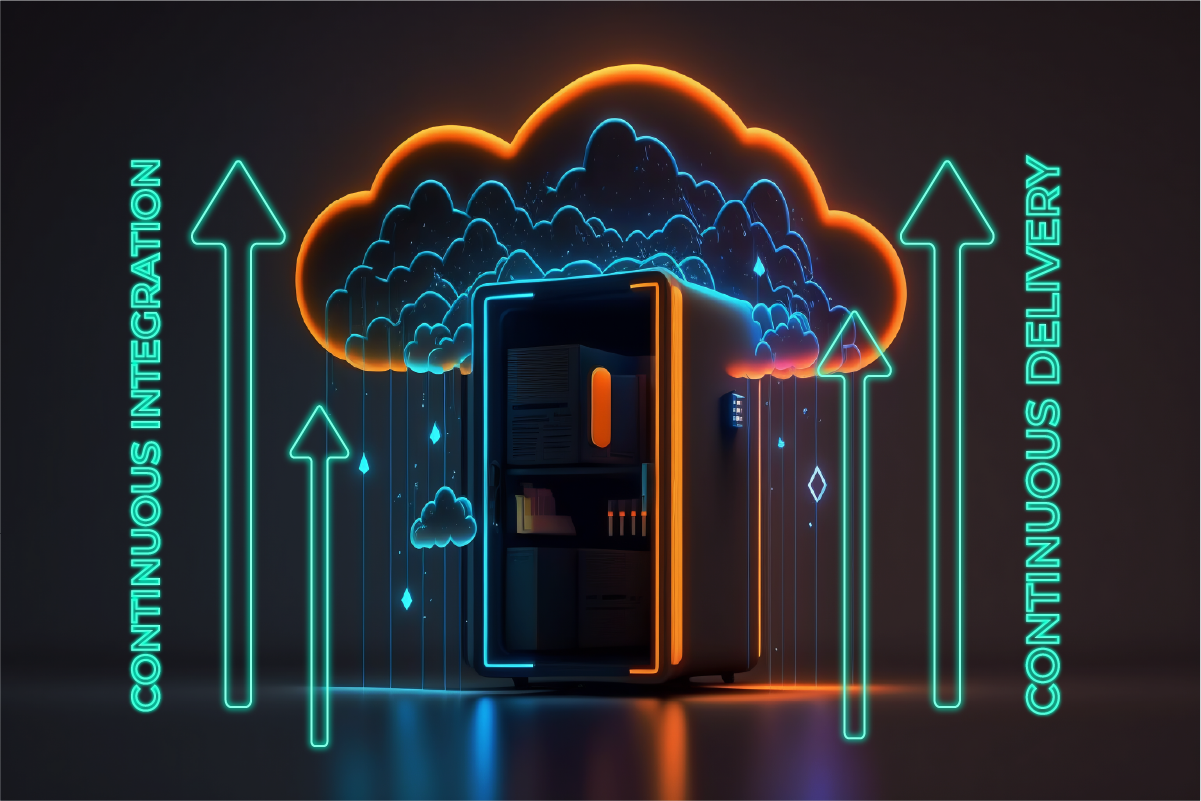
How often are your systems or applications unavailable due to unforeseen problems or updates? Monthly? Weekly? Or even daily?
Imagine the world's best-known and most-used search engine being unavailable for even just one hour due to a system outage. The monetary damage would be almost limitless.
What Are Continuous Integration, Delivery & Deployment?
Continuous Integration (CI), Continuous Delivery (CD) and Continuous Deployment (CD) are core elements of the DevOps philosophy, which we implement expertly at XALT to optimize your software development. Through CI we integrate code changes efficiently, through CD we foster an always-deployable code base, and with Continuous Deployment we enable an automated, seamless transition into production. Our expertise in these principles speeds up your development cycles, raises quality and fosters smooth collaboration within your teams, making your company more agile and responsive.
Continuous Integration
This methodology (CI) automates the integration of code changes from multiple developers into a single software project. It lets developers regularly push code changes to a central build repository and then test them.
Continuous Delivery
Continuous Delivery automates deploying tested code changes into a staging environment. One of your developers can then decide to move those code changes into the live system via a pull request.
Continuous Deployment
CD uses automated tests to verify that changes to a codebase are correct and stable enough to go live automatically. Tools like Docker or Kubernetes help keep code consistent across different deployment platforms and environments.
Continuous Integration & Delivery in Action
Status Quo: Without DevOps and CI/CD
One system, one instance and daily backups. That's what systems look like at many companies—the ones employees work with every day, or that are made available to users.
The problem is that before every update, the system first has to be shut down, and after the update it has to be brought back up. Only then can users access and use the applications again.
If something additionally goes wrong, or the update contains bugs, a rollback to the previous version follows and the system is shut down again.
The downtime this creates always leaves a negative impression on your users and leads to high internal costs and more time spent.
Status Quo: With DevOps and CI/CD
One way to make systems permanently available and ensure constant uptime is to use blue-green deployments. Two identical systems run simultaneously in parallel, where only one system (blue) is ever reachable for users and employees, while updates, bug fixes or other issues are resolved on the second system (green).
The advantage of blue-green deployments is that a system is always active, and after an update or rollback, the newer system is gradually released.
Using the continuous integration & delivery methodology, your software developers can then keep rolling out new improvements without your users noticing anything.

More Benefits of Blue-Green Deployments
- Only one of the environments is live at any given time, and the live environment absorbs all traffic.
- Reduced downtime and risk from running two identical production environments.
- Simultaneous testing of updates with no negative impact on users or active systems.
- If something unexpected happens with the new version, you can switch back to the last version immediately.
- Testing new features with a small share of all active users before a full rollout.
Typical Problems in Your IT Department
Every day, your IT department battles critical problems that can affect the entire company. System availability, keeping up with update cycles, or providing new infrastructure. Find out how you can solve these typical problems in this article.
Become a DevOps Champion with Container8 by XALT
What Is Container8
Container8 automates the configuration of your IT infrastructure, provides all the tools your team needs for DevOps, and empowers your team to build an agile and communicative company culture, breaking down the silos between development and operations.
Our DevOps platform is a flexible managed service that proactively includes tool and infrastructure maintenance and on-demand support.
- Automated configuration of the systems your IT infrastructure needs.
- On-demand IT infrastructure. Only systems that are actually needed keep running.
- Provisioning of a DevOps toolchain.
- Managed Continuous Integration & Delivery with an integrated toolchain, support, maintenance and service.
- Atlassian Services - More successful in the Atlassian ecosystem.
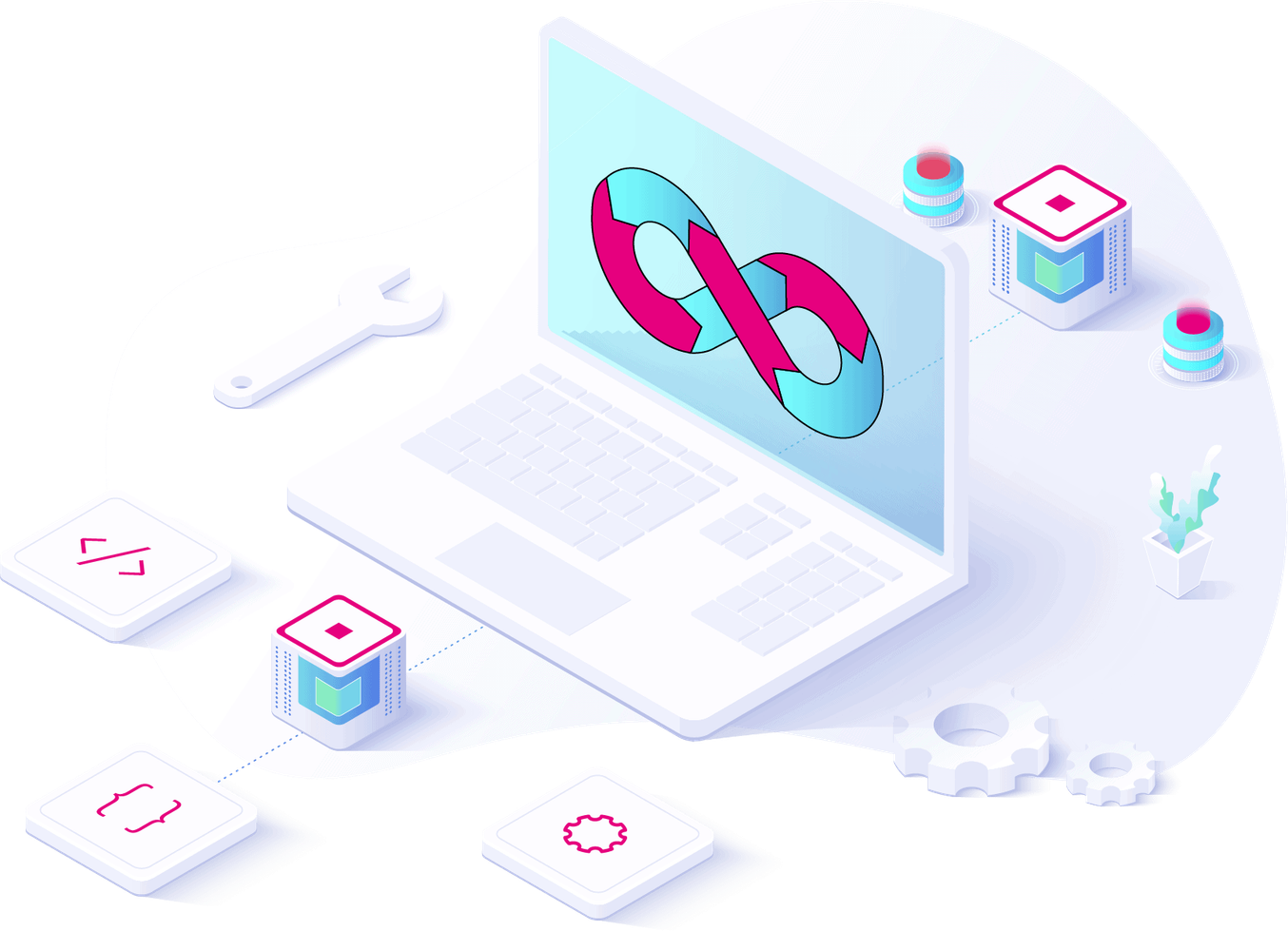
DevOps is no easy undertaking. It's an entirely new company culture that has to be carried by your whole organization. With Container8, we give you a framework that makes getting started with DevOps, Continuous Integration & Delivery and everything that goes with it as easy as possible.
Some DevOps Tools We Advise You On
Want to Find Out How Established DevOps Already Is in Your Company?
Run an initial assessment of your current IT infrastructure, organization and communication structure with our DevOps Self Assessment.
Still at the Beginning of Your DevOps Transformation?
Strengthen Your Team and Achieve Incredible Success
The world of technology is spinning ever faster, demanding constant adaptation and adoption of new tools and techniques.
Our DevOps Ambassadors transform your company sustainably. They empower your teams with new methods, ongoing data collection and analysis to create a consistently positive customer and user experience.
This keeps you not just competitive, but consistently one step ahead of the competition.

DevOps is nothing one person can pull off alone. It's a movement that affects your entire company. To fully internalize the DevOps methodology, your employees, teams and your whole company need to be on board from day one.
Better call XALT
Want to Get Started with DevOps at Your Company?
We support you in integrating the DevOps methodology and getting the best out of your company. Feel free to contact us by phone, email, or visit us at our office.